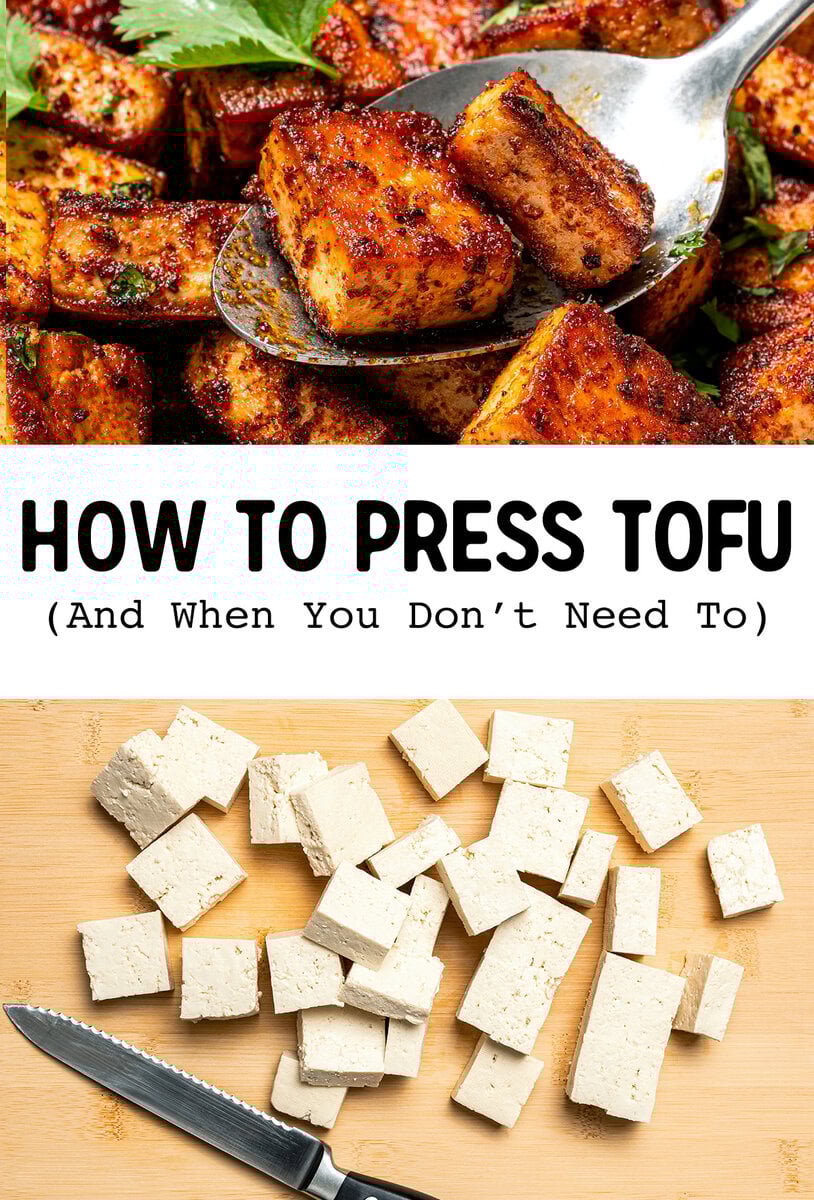
Press or Freeze? The Ultimate Guide to Crispy Baked Tofu
For too long, tofu has been misunderstood, often dismissed as bland or rubbery. But when prepared correctly, especially when baked to a golden crisp, it transforms into a culinary marvel – a protein-packed, flavor-absorbing sensation that can elevate any meal. The secret to unlocking this potential lies in one crucial step: moisture removal. But which method reigns supreme: the traditional press or the innovative freeze? This comprehensive guide will walk you through both techniques, ensuring your
baked tofu is always exquisitely crispy, flavorful, and ready to star in countless dishes.
The Core Secret to Crispy Baked Tofu: Banishing Water
The primary enemy of truly crispy tofu is its inherent water content. Tofu, a soy-based product, is essentially a block of coagulated soy milk, and it holds a significant amount of moisture. If you try to bake it without removing this excess water, you’ll end up with steamed, rather than crispy, results. Removing water not only allows the tofu to crisp up beautifully but also creates a more porous texture, turning it into a sponge ready to soak up delicious marinades. We have two powerful methods at our disposal to achieve this transformation: pressing and freezing.
Method 1: The Art of Pressing Tofu
Pressing tofu is the traditional and most common method for expelling excess water. It’s a straightforward process that yields excellent results, creating a firmer, denser texture that holds its shape well during cooking.
*
Why Press? When you press tofu, you physically squeeze out the water trapped within its structure. This makes the tofu denser, preventing it from steaming in the oven and allowing it to achieve that coveted crispy exterior. A well-pressed block of tofu will absorb marinades more effectively and hold its shape better, whether you’re cubing it for a stir-fry or slicing it into planks for a sandwich.
*
Choosing Your Tofu: Both firm and extra-firm tofu work wonderfully for baking, with extra-firm offering a slightly chewier, more substantial bite due to its already lower water content. While soft and silken tofu have their place in smoothies or creamy sauces, they are unsuitable for crispy baking.
*
How to Press Tofu:
*
Manual Method (DIY Press): Drain the tofu block and wrap it in several layers of clean kitchen towels or paper towels. Place it on a flat surface, such as a cutting board. Position a heavy object on top – a cast-iron skillet, a stack of heavy cookbooks, or a few cans of food work perfectly. Let it press for at least 30 minutes to an hour for firm tofu, or 15-30 minutes for extra-firm. For ultimate crispiness, you can even press it for up to 2-4 hours. You'll be amazed at how much water collects in the towels!
*
Tofu Press: If you find yourself baking tofu frequently, investing in a dedicated tofu press can be a game-changer. These clever gadgets apply even pressure, making the process effortless and more efficient. They often come with a drip tray to collect the expelled water, keeping your countertops clean.
*
After Pressing: Once pressed, pat the tofu dry with fresh towels to remove any residual surface moisture before proceeding to slice and marinate.
Method 2: The Freezing Shortcut for Next-Level Texture
For those seeking an even chewier, more porous, and incredibly absorbent texture for their
baked tofu, the freezing method is a revelation. It’s a fantastic shortcut that eliminates the need for pressing and fundamentally changes the tofu’s internal structure.
*
The Science Behind Freezing: When tofu freezes, the water molecules inside it expand and form ice crystals. These crystals break down the cell walls of the tofu. Upon thawing, this water drains away, leaving behind a network of tiny pockets and a much more open, spongy structure. This not only enhances chewiness but makes the tofu exceptionally good at soaking up marinades.
*
How to Freeze and Thaw Tofu:
1.
Freeze: Drain the block of tofu from its packaging. You can freeze it whole or cut it into your desired shapes (cubes, slices). Place it in a freezer-safe bag or container and freeze for at least 8 hours, or ideally overnight. The tofu will turn a yellowish color, which is completely normal.
2.
Thaw: Transfer the frozen tofu to the refrigerator to thaw overnight, or thaw it more quickly by placing it in a bowl of hot water (still in its bag) for about 15-20 minutes.
3.
Squeeze: Once thawed, remove the tofu and give it a good squeeze – you'll be surprised how much water comes out effortlessly! Gently press it between your hands or under a weight as you would with traditionally pressed tofu, but you’ll find it requires far less effort and time.
*
Benefits: This method results in a significantly chewier texture, almost meat-like, making it a fantastic substitute in dishes where you want a substantial bite. It’s also incredibly efficient at absorbing flavor, perfect for highly seasoned recipes.
Elevating Flavor: Beyond the Bake
Crispy texture is paramount, but flavor is what truly makes
baked tofu shine. Tofu itself is a blank canvas, making it incredibly versatile and customizable.
*
The Power of Marinades: A well-crafted marinade is essential for infusing flavor deep into your pressed or frozen-and-thawed tofu.
*
Basic Components: Most marinades start with a base of oil (like olive oil for richness or sesame oil for Asian flair), an acid (lemon juice, rice vinegar), a salty component (soy sauce, tamari, liquid aminos), and a sweetener (maple syrup, agave).
*
Customization Ideas:
* **Asian-Inspired:** Soy sauce/tamari, rice vinegar, sesame oil, ginger, garlic, a touch of maple syrup.
* **Smoky & Savory:** Olive oil, smoked paprika, garlic powder, onion powder, a dash of liquid smoke, tamari.
* **Mediterranean:** Olive oil, lemon juice, dried oregano, garlic, a pinch of red pepper flakes.
* **Spicy Kick:** Sriracha or gochujang, lime juice, soy sauce, a hint of sugar.
*
Marinating Time: Aim for at least 30 minutes to an hour for good flavor penetration, but overnight in the refrigerator will yield the most profound results, especially for frozen-then-thawed tofu.
*
The Right Fat: Don't skimp on a good quality oil. Olive oil, avocado oil, or sesame oil not only add flavor but are crucial for achieving that irresistible crisp. A light coating ensures even browning and prevents sticking.
*
Cutting for Success: The way you cut your tofu impacts its texture and how it performs in different dishes.
*
Cubes (¾ to 1 inch): Ideal for stir-fries, curries, salads, and rice bowls. They offer a good balance of crispy exterior and tender interior.
*
Planks (½ inch thick): Great for sandwiches, wraps, or as a main protein alongside roasted vegetables.
*
Crumbles: For ground "meat" substitutes in tacos, chili, or pasta sauces, simply crumble the pressed tofu with your hands.
Baking Your Way to Perfection
With your tofu pressed (or frozen and thawed), marinated, and seasoned, it's time for the final act: baking! The oven is your best friend for hands-off, consistently crispy results.
*
The Crucial Role of Direct Contact: Here’s a tip often overlooked: for maximum crispiness, place your marinated tofu directly onto a baking sheet. While parchment paper is convenient for cleanup, it creates a barrier that can prevent the tofu from achieving optimal browning and crispness. The direct contact with the hot metal pan is key to developing that beautiful, crunchy crust. If you’re concerned about sticking, a very light oiling of the pan or a non-stick baking sheet can help, but generally, the oil in your marinade will be sufficient.
*
Optimal Temperature and Time: Preheat your oven to a high temperature, typically 400°F (200°C). Arrange the tofu in a single layer on the baking sheet, ensuring pieces don't overlap. Bake for 20-30 minutes, flipping halfway through, until the tofu is golden brown and crispy on all sides. Baking time can vary slightly depending on your oven and the size of your tofu pieces.
*
Achieving the Golden Brown: Don't be afraid to let it get deeply colored. That rich golden-brown hue is a visual indicator of maximum crispness and flavor development. Keep an eye on it to prevent burning, but resist the urge to pull it out too early.
To explore more ways to incorporate this delightful protein into your daily meals, from vibrant salads to hearty curries, dive into our guide:
Master Crispy Baked Tofu: Easy Meals from Salads to Curries.
Versatility Unveiled: Beyond the Plate
One of the greatest attributes of crispy
baked tofu is its incredible versatility. Once you’ve mastered the art of making it, your culinary possibilities expand exponentially.
*
Salad Star: Forget croutons! Crispy tofu cubes add a satisfying crunch and protein boost to any salad.
*
Bowl Builder: Perfect for grain bowls or Buddha bowls, providing texture and substance alongside your favorite grains and vegetables.
*
Stir-Fry Sensation: A classic pairing, baked tofu holds up beautifully in stir-fries, soaking up the sauce without getting soggy.
*
Curry Companion: Add it to your favorite curries for a hearty and flavorful protein.
*
Sandwich & Wrap Filler: Tofu planks make a fantastic, satisfying filling. Try it in a "chicken" salad sandwich or a veggie wrap.
*
Soup & Stew Enhancement: While it might soften slightly, adding crispy tofu towards the end of cooking can still offer a pleasant textural contrast and protein boost.
*
Snack Attack: Honestly, these crispy bites are so good, you might find yourself eating them straight off the pan as a healthy, satisfying snack!
If you’re new to the world of plant-based cooking or just looking for straightforward ways to prepare this amazing ingredient, our article
Baked Tofu for Beginners: Get Crispy Bites Without the Hassle offers even more insights into making your initial experiences stress-free and delicious.
Troubleshooting and Expert Tips
Even with the best intentions, you might encounter a few hurdles on your journey to perfect crispy
baked tofu.
*
Soggy Tofu? The most common culprit is insufficient water removal. Ensure you press (or freeze and squeeze) thoroughly. Also, double-check that your tofu is in a single layer with space between pieces and in direct contact with the baking sheet. A slightly higher oven temperature can also help.
*
Bland Flavor? Tofu needs time to absorb flavor. Increase your marinating time. Don't be afraid to use robust seasonings, as tofu can handle bold flavors. A post-bake sprinkle of flaky sea salt or a drizzle of a finishing sauce can also brighten things up.
*
Tofu Quality Matters: Just like any ingredient, the quality of tofu can vary significantly between brands. Some brands are naturally firmer and release water more easily, leading to better crispiness. Don't hesitate to experiment with a few different brands to find your favorite.
*
Storage and Reheating: Leftover crispy
baked tofu can be stored in an airtight container in the refrigerator for 3-4 days. To reheat and regain some crispness, spread it on a baking sheet and warm it in a 350°F (175°C) oven or in an air fryer until heated through.
Conclusion
Whether you opt for the patient art of pressing or the ingenious shortcut of freezing, mastering the technique of crispy
baked tofu will revolutionize your approach to plant-based cooking. It transforms a humble block of soy into a protein-rich, texturally exciting, and incredibly versatile ingredient. With these tips and tricks, you're now equipped to create delectable, healthy meals that are anything but bland. So, go ahead – press or freeze, marinate, and bake your way to a new culinary favorite!